Friday, May 16, 2014

Enoteca, Barcelona

Enoteca, 4-9-14, 145 Euros/9 Courses, French-Mediterranean

Enoteca is the only Michelin 2-star restaurant located within the city boundary of Barcelona. Since I had to catch the trans-Atlantic flight from Barcelona to NY, I decided to have dinner at Enoteca. It is inside the Hotel Arts located in the marina section of Barcelona. The theme color in the restaurant is white, with simple and classic decoration and fabulous ocean view. I ordered the tasting menu with a special request for their signature dish “fresh sea cucumber”.

Amuse Bouche

I. 1st course
1) Waldorf Salad – pineapple gelatin, apple cullies, diced onion and vinegar foam.


2) Pine Nut (slightly roasted) in wulato paper. Pine needles are for decoration only.


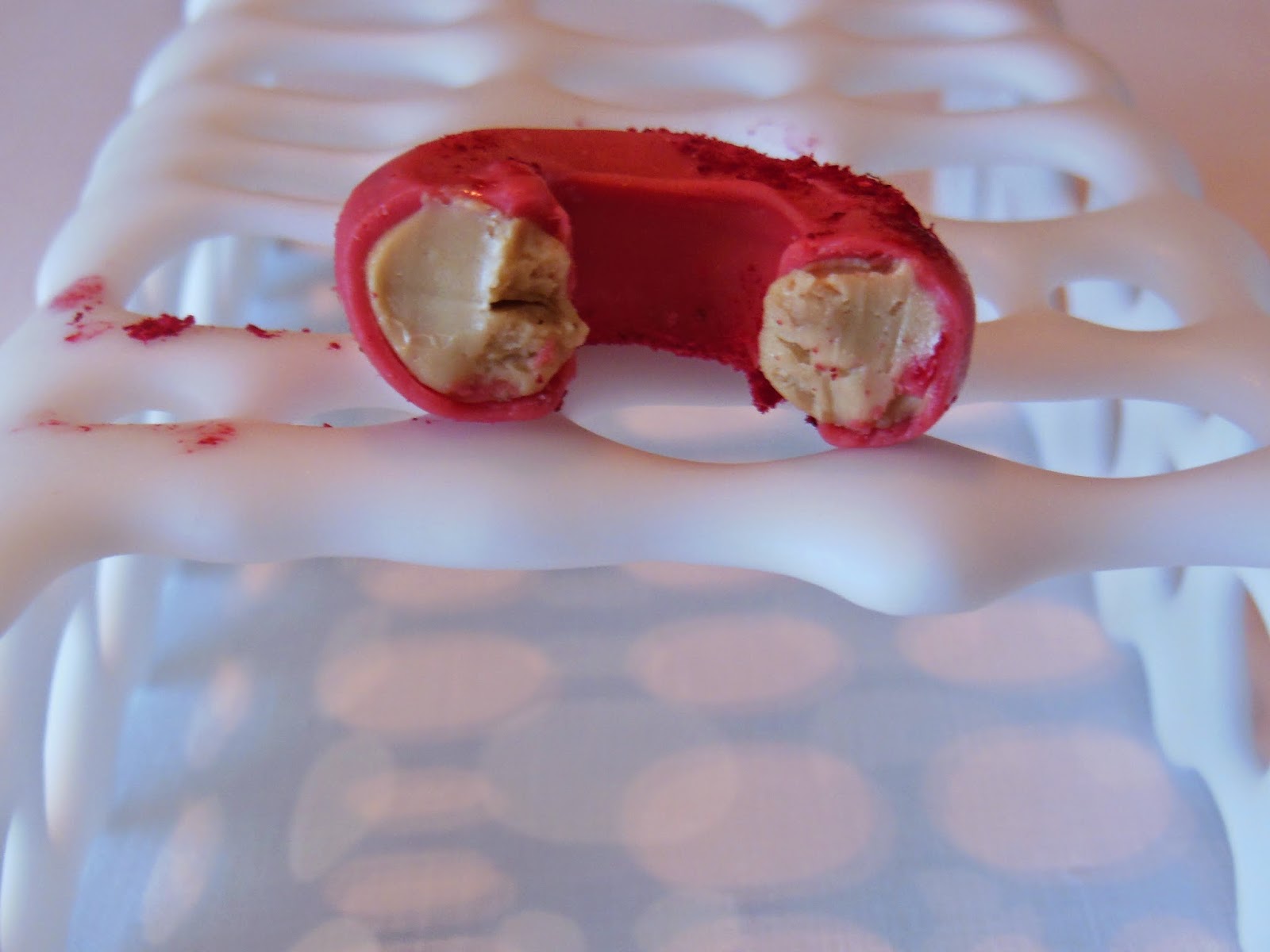
3) Foie Gras in dunkin donut shape covered by raspberry coating. Raspberry’s sweet-sour taste
complemented with Foie Gras’s richness. It was also chef’s creative work.
II. 2nd course
1) Coco Thai – coconut mousse, marinated langoustine and dyed red color onion.


2) Chili Crab – Northern Catalan Cap de Creus crab in chili sauce.

3) Niguiri - Tuna tartar with rice meringue cover.

III. 3rd course
1) Shrimp with suckling pig – sautéed shrimp on a piece of crispy sucking pig skin.


2) Andalucía shrimp in rice paper, mayo and olive oil.


VI. 4th course – Viva Mexico
1) Taco with guacamole mousse, avocado and couscous.


2) Macaroon with guacamole.

3) Hot pepper covered with Chibodre chili paste.


The Amuse Bouche served in Enoteca, like what served in El Celler de Can Roca, were with a “world” view, offering varieties from different countries.

1st Course – Almond cream, almond ice cream and caviar


This course served as a palate cleanser to clear the Mexican scented Amuse Bouches. Caviar, very good quality, was from Caspian Sea.

2nd Course – Braised oyster, white radish air and its soup


Oyster was braised in its soup and sea water, decorated with gold piece. I have heard that some Mediterranean dishes were cooked with sea water. Incorporating sea water in the cooking process did produce a very strong sea water taste. It was too overwhelming.

3rd Course – Sea cucumber, morrel, fava beans and cherry tomato


During this trip to the Northeastern Spain, I have had fresh sea cucumber three times at El Celler de Can Roca, Sant Pau and Enoteca. Sea cucumber was considered good food, the type of food which strengthens your health, in Chinese herbal medicine. Out of these three servings, Enoteca’s was the best. Later, I was informed by the Executive Chef that it was stir-fried in high heat quickly. It was very tender and tasty, tasted almost like scallop but firmer than scallop and less chewy than squid. Baby fava beans were also tender and yummy.

4th Course – The garden and foie gras


Seared foie gras served with gelatin of almond, carrot cream, asparagus, cream, artichoke heart, onion, potato cream, beet root and beet root sauce. The combination of almond gelatin and beet root sauce made this dish stand out.

5th Course – Creamy rice with sea urchin and melanosporum black truffle


It was risotto with sea urchin and topped with shaved black truffles. All the top notch ingredients cooked with the right technique produced a perfect dish of risotto.

6th Course – Sole with winter vegetables and meuniére of fennel


Poached filet of sole served with shrimp gamba, parsley foam, artichoke, purée of vegetables, muniére of fennel, and baby radish (at lower left corner in green color). Fish was well prepared, not over-cooked and sauce was delicious.

7th Course – Wagyu, beef, its braised juice and contrasts


Wagyu beef served rare-medium with sweet potato gnocchi, carrot, chestnut, and beet pumpkin butter. All the vegetables were well-prepared and beef was top quality. Beet pumpkin butter was something unusual, delicious but not greasy.

8th Course – Palate cleanser


After Eight – chocolate-mint ice cream was served before the desert was served.

9th Course – By Tarantino


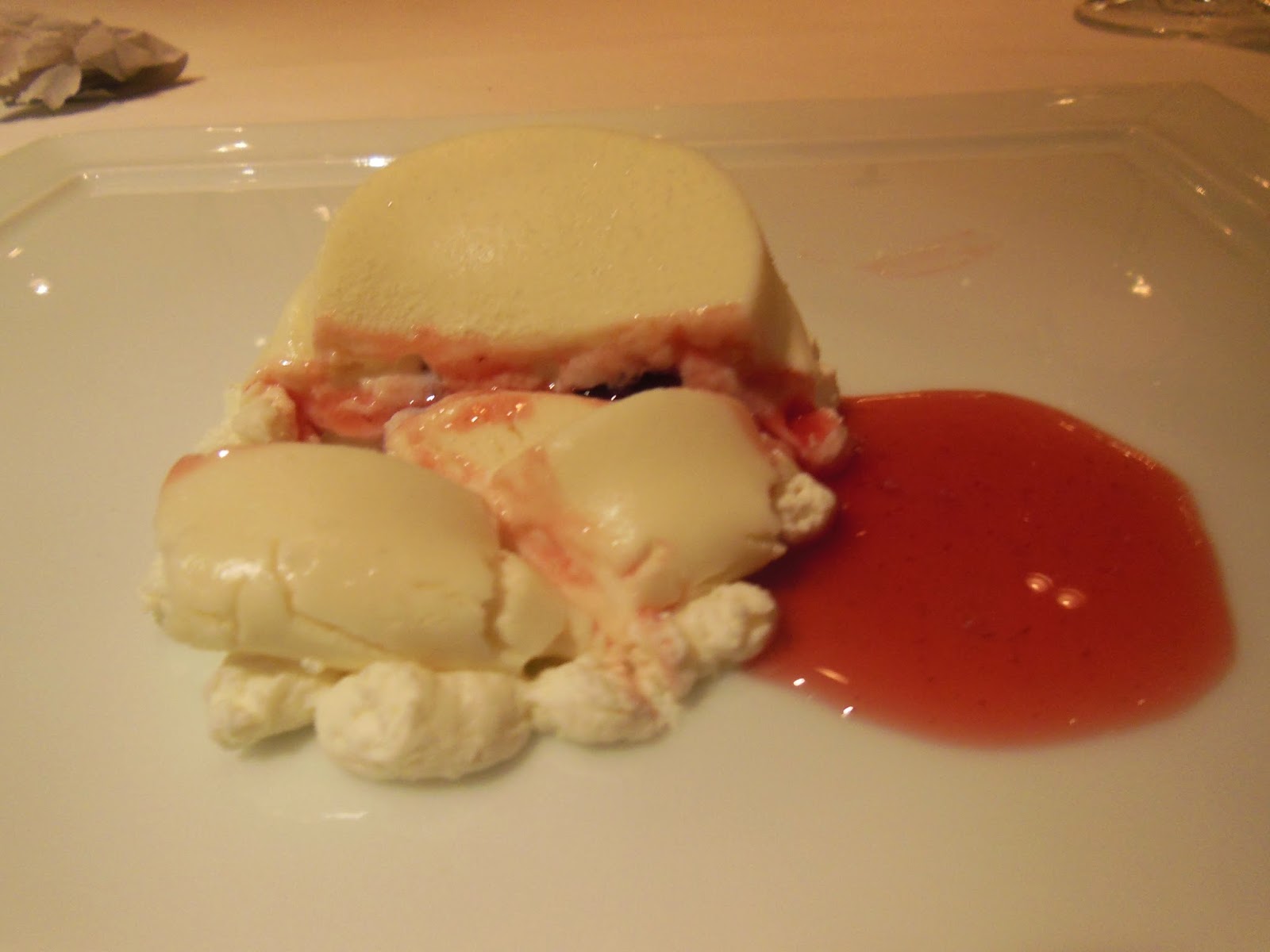
I have never had any desert with this kind of texture. It was made with white chocolate with a texture firmer than mousse but lighter than cheese cake. There were tiny pieces of strawberry gelatins inside the cake and the cake was served with strawberry sauce. It was sumptuous and visually very pleasing.

Petit Four


Starting from left, they are: Caramel meringue with mint, vanilla macaroon, chocolate hazelnut truffle, and fennel liquor with coffee bonbon. My favorite was chocolate hazelnut truffle.

At the end of meal, the Executive Chef came out to the dining room to greet every guest. It was at this occasion that he told me the proper way of cooking fresh sea cucumber. Enoteca offered finely prepared food with high creativity and beautiful presentation. The signature dish “Sea cucumber, morrels and fava beans” definitely is the best and should be in the “do not miss” list (for the foodie) when travelling in Northeastern Spain-Catalan.

Friday, April 18, 2014

Pakta, Barcelona

Pakta, Barcelona, 4-1-14, 125 euros/21 courses, Japanese-Peruvian Fusion

Pakta is owned by El Bulli’s celebrity chef Ferran Adria and his brother Albert Adria, located near the Plaça Espana section in Barcelona. It was opened almost two years ago and offered Japanese-Peruvian fusion cuisine. It was my 1st stop of fine dining in the Catalonian region in this trip. Pakta occupied a small space allowing mid-20 guests, some by the counter and some at the tables. I ordered a Machu-Picchu (large) menu, comprised mostly local seafood.

Honzen Ryori

1 -1) Tuna Toro with spicy gel; 2) Baby scallop with chalaca (tomato & chive) sauce; 3) Avocado tofu with yuzu, wasabi and dashi sauce; 4) Corn Tuile (choco corn chip); 5)Pea salad with chopped cora (Peruvian potato) and olluco (kimchee) sauce.


2 – Gomadofu: Tofu made of sesame and Japanese corn starch, served with wasabi, black sesame, dashi, kumbu seed weeds.

3 – Uni, black truffle with panzu and truffle sauce.


4 – Crispy yucca (corn puff) with huancaina sauce.


5 – Chilcano - Peruvian fish soup with fried tofu coated with yucca flour.


6 – Mixed tiradito with “aji Amarillo”, including leche de tigre, squid, clam, barnacle in citric sauce and spice.
The Nigiris

7 – 1) Tuna nigiri with fresh wasabi; 2) Anchovy nigiri with smoked “aji Amarillo”; 3) Salmon nigiri with aburi (garlic and lemon sauce).


8 - Nikkei Shimesaba: Mackerel marinated with citric and vinegar, served in sauce made of Peruvian chili, daikon and tomato.

9 - Sea bass ceviche with kumquat “leche de tigre” and fried sweet potato.


The Causas

10 - 1)Crab maki causa with avocado and umeboshe mayonnaise; 2)Fried causa chicken (coated with Japanese flour) and huacatay.


11 - Fish “Sanguchito” with Nikkei “acevichada”mayonnaise, corn, onion and tomato.


12 – 1) Mushroom tempura with Peruvian porcon fungus and potato foam in Mexican moly bean and ginger sauce; 2) Suckling pig gyoza with jelly inside.


To Finish

13 – Warm ceviche with “rocoto” orange color pepper.


14 – Grilled chicken “Anticucho”, Spanish potato in Peruvian sauce.


15 – Fried rockfish with “escabèche” sauce. Red mullet was coated in Japanese panku and deep fried. Broccoli, onion and bah choy were on the side. Escabeche sauce was made of vinegar, sage and black pepper.

16 - Duck liver “nigiri” with smoked pepper sauce.


Desserts Honzen Ryori

17 - 1) Sweet potato “picarones” (petit donut) with cinnamon honey; 2) Banana bonbon with umeshu gel; 3) Coconut pearl; 4) Black sesame and yogurt tree. Black sesame cookie was inserted into a slit on a Pakta tree trunk. This is where the restaurant got its name from.


18 – Momokochan with Koji (Baby Japanese peach still in green color) served with frozen yeast in syrup flavored with sakura.


19 – Cocoa cone with lucuma ice cream and coffee. Lucuma is a Peruvian fruit looks and tastes almost like peach. Ice cream did have its flavor in addition to the cocoa flavor.


20 – Chicha candy. Chicha is a sweet Peruvian drink tastes almost like hibiscus.


21 – White chocolate, tea with sakura and chocolate rocks. The white chocolate piece was painted with some Peruvian faces in multi-color.


Pakta was a cozy place, with friendly servers who tried their best efforts to explain to you in Catalan-English. However, their food offered sophisticated and balanced taste, appealing presentation and creativity. My favorite were – Uni, black truffle with panzu and truffle sauce, and Tuna, Anchovy (Ordinarily, I am not a fan of anchovy) and Salmon nigiri with aburi sauce.

Sant Pau, San Pol de Mar

Sant Pau, San Pol de Mar, 4-4-14, 159 Euro/10 Course, French-Catalan

Sant Pau was the only Michelin 3-star restaurant owned by a female chef/owner Carme Ruscalleda. I have read an article a while ago that the esthetic presentation made by this chef was considered the epitome of ying-style while the esthetic presentation made by chef at El Celler de Can Roca was the epitome of yang-style. I decided to use Girona as base to venture out to the Northeastern Spain. My major concern was that the trip from Girona to San Pol de Mar required a mid-point transfer. English proficiency among the Catalan people was poor; it would be difficult to make a smooth trip with a required transfer. When I arrived at Girona, I went straight to the Customer Service office. Unfortunately, the representative could not speak English at all. But, I was very blessed with the help of a female customer who could speak just enough English to make me understand that as of April 1, there are selected schedules (approximately every 2 hours) that the same train runs from Girona to San Pol de Mar.

I arrived at San Pol de Mar without any hassles and noticed right away that I could see Sant Pau’s kitchen activities while I was still on the platform. The restaurant’s dining room faces its own backyard and the Mediterranean Sea. I ordered the tasting menu.


Appetizer of April (Each course of appetizer was comprised of only one item)
1) Croquette of Sant Jordi mushrooms: chopped mushroom, mixed with flour and cream, and coated with bread crumb, then deep fried.


2) Xiulets in tempuras: baby string beans peapod (without peas inside) were thinly coated in flour and fried, served with Romesco sauce and almond.

3) Sponge of creamy tupi, confited tomato, fresh oregano: cheese cream tupi with green oregano jelly, macadamia, apricot purée and baby petunia. The presentation was absolutely beautiful and adorable.


1st Course – Miso, foie & vegetables

Foie gras was served in miso sauce with vegetable on the side: white mushroom, shredded pea pod, daikon, dark red leaves and beet root flower. Its taste was as fabulous as its presentation. White mushroom had a whiter look than what available in the US.
Sant Pau baked only one type of bread.

2nd Course – Maresme peas, cuttlefish

This is Sant Pau’s signature dish. Three-inch long julienned cuttlefish was sautéed and served on a bed of sweet peas. Cuttlefish was very tender and tasty.


3rd Course – King prawn, artichoke

Artichoke was the most important ingredient in this course. It was shredded, it was roasted and it was made into sauce. Artichoke was very fresh and tender, this is artichoke season. King prawn was also very tender and delicious.

4th Course – Gambas, sailor’s toast

Gambas required 3 steps: 1) toast bread; 2) soak in fish stew; 3) toast bread again. This shrimp gambas dish was made from premium quality shrimp available from the region.


5th Course – Monkfish, lemon verbena suquet

The best quality of monk fish is from the Mediterranean Sea. Or, here out of Sant Pau’s backyard. Monk fish was thinly coated in flour and fried, served with crumbled purple potato (from Peru) and crosne in lemon verbena sauce. It was well prepared although fish was not tender enough.


6th Course – Espardenyes, celery, cucumber and fine herbs

Espardenyes = sea cucumber. It was served as a whole piece in this dish, the night before I had sliced sea cucumber at El Celler de Can Roca. This dish also had baby mushroom. celery, and mini cucumber balls and a beautiful yellow flower in the center. It was an excellent dish which can be prepared only when local fresh products are available.


7th Course – San Jorge, 3 combinations with courgette and almonds

San Jorge cheese (mild flavor) from Portugal was prepared in 3 different styles – one plain cheese chunk, one with julienned zucchini, one made into paste on a piece of cracker.

8th Course - Calisay passion

A scoop of passion fruit sorbet in Calisay liquor. Calisayis an herbal liqueur produced by infusing cinchona calisaya, and other barks, roots and flowers in grain neutral spirit and seville orange extract. It is used as a bitter ingredient in cocktails. I love passion fruit and its sorbet. I would prefer something less bitter to accompany passion sorbet.


9th Course – white banana, olive oil, salt

Banana was served with white chocolate and almond. The presentation was certainly amazing.


10th Course – Black and Green Olives, Aragon, sevillanas, sweet wine

I had chocolate coated olives at Roca the night before. I wonder chocolate coated olives are a fashionable item for the time being. Both white chocolate and dark chocolate were used to present the word “olives”. A large piece of puff pastry was used to present a ship along with some small pieces for decoration. This dish also had olive oil in the plate.

Petit Four

Each of these four delicate chocolate bonbons was placed in a spoon since they were too messy to handle by fingers. Puff pastry with pine nuts was placed in a glass. The rest were placed in a toy train. Among the petit fours, my favorite was the chocolate bonbons.


At the end of the meal, I did not feel that I was overstuffed or fully-contented. I wondered why and figured it out. First, I did not eat much bread at all because of lack of variety at Sant Pau. Second, Sant Pau did not offer any Amuse Bouche comparing Roca’s more than a dozen Amuse Bouche items. Third, the quantity of the tasting menu was no more than 60% of what served at Roca. Even though Sant Pau charged 159 euros/10 course which was 30 euros less expensive than what Roca charged. Roca offered far more in both quality and quantity. May be because I had these two meals back-to-back, my wonderful experience at Roca was still overwhelmingly fresh in my mind while I was dining at Sant Pau. I considered I got a whole lot of more value (quality and quantity) out of each dollar I spent at El Celler de Can Roca.