Mugaritz, San
Sebastian, 5/19/2018 (€204, 24-Course, incl. VAT)
Mugaritz is located in two towns. It has a beautifully landscaped
courtyard with a large tree right on the borderline of 2 towns Muga and Haritza.
Hence, the partial combination of each name of the 2 towns became Mugaritz.
Tasting menu started serving in the courtyard because it was a cool
and beautiful day. However, needed a jacket on.
1st Course -
Lemon Pith and Tart Cream
Citrus lemon, lemon albedo. In fleshy fruits, pericarp is made of
3 layers – outermost (epicarp) layer, middle layer (mesocarp) and inner layer
(endocarp). In citrus fruits, mesocarp usually is referred to as albedo or
pith. It is the pulp and in white color, often has a bit bitter taste, although
it contains a lot of vitamins and nutrition. Preparation for this course
started by soaking the white lemon pulp in limestone water, then adding pectin
to form a thin layer of gel. Pectin can be extracted from fruits (especially
skin) such as apples, pears, plums, oranges, etc. Pectin is beneficial to
health if taken in moderate quantity, it benefits body’s detoxifying
capabilities. This pectin-treated lemon pulp no longer looked like a citrus and
was served with cream of garlic and topped with micro green. The presentation
is simple and beautiful. It did not have any citrus taste.
2nd Course - Milk
Crystals
Crisp made from milk, cream of milk and herb.
3rd Course - Fresh Garlic and Flowers
Fresh and crisp garlic heart, garlic oil and Chinese chive. Fresh
garlic heart from its own garden was crispy and sweet.
4th Course -
Lettuce Stem, Heart of Lettuce, Liquid of Lettuce
Heart of lettuce was served with reduced lettuce juice.
5th Course -
Perretxiko and Mycorrhiza - Summer Truffle with Cream of Mushroom
Summer truffles were sandwiched with cream of St. George’s mushroom
and topped with mushroom powder. St. George’s mushroom is available only in
April and early May.
After these 5 courses of bite-size appetizers, I was escorted to the
dining room.
6th Course - Hake
Granité, Garlic
Cream
Frozen hake with cream of garlic, served in a white handkerchief. This
is a signature dish.
7th Course - Kiss
of a Yolk
Spider crab with (orange color) soy sauce and cream fraiche.
8th Course -
Roe, Egg, Roe
Mullet roe combined as a base, marinated with sugar and salt, top
by caviar, cured egg yolk sauce. Asturian caviar from France was used in this
plate.
9th Course -
A pouch of Eggs
Roe of lobster.
10th Course -
Cured Sirloin
Basque thinly slice sirloin fermented with yeast from red tea
kombucha. After 4-5 days it was coated with white powder looking penicillin. At
serving, beef tartar was mixed with olive oil, caper, mustard, Worcester sauce,
and stuffed in the penicillin coated beef shell. Sliced beef was sprinkled with
penicillin fungus, after 4-5 days it will grow white powdery stuff which is penicillin.
If you notice drops of caper water was sitting on top of the penicillin covered
shell instead being absolved into the shell. I inquired my server whether the
restaurant consulted medical expert regarding serving penicillin as the end
product of a course. In terms of creativity, this was certainly the most
creative dish that I have ever had.
My server offered me for a tour of the kitchen. Its kitchen was
departmentalized with each defined area designated for one particular type of
dish such as meat, appetizer, fish and desserts, etc. I was offered a special edible
gorgeous purple flower from local. It was a very pleasant visit.
11th Course -
Vis-à-vis
Sliced garlic and razor clams were sliced the same way (look alike
- vis-a-vis). It was served in almond milk and chive. A very pleasant dish.
12th Course -
Banana and Sea Urchin
I noticed sea urchin was missing from the plate. I was informed,
at this very last minute, by the server, it was not the season of sea urchin. But,
why restaurant still kept the incorrect description on the menu. To resolve the
issue of unavailability of sea urchin, the restaurant used bone marrow instead.
Banana was fermented and then fried, it was greasy, I had to ask for hot water
to wash down the grease from my stomach.
13th Course -
Cauliflower and Octopus
Pickled cauliflower pretended to look like octopus and served
Basque cheese which tasted like Parmigiana.
14th Course -
Hake with Asparagus and Sake
1). Hake was cooked with sea cucumber. This is a signature dish.
2). White asparagus water was fermented by Viili and turned into
house-made Sake and accompanied by real Sake. Viili is the type of yeast used
by the Nordic countries to make yogurt. Each guest was provided with a glass of
Sake to compare with the house made sake.
15th Course -
Iodized Crackling
Galicia oyster with crumbled Iberian ham and tomato sauce. This is
a signature dish.
16th Course -
Grilled Fish and Beef Essence
Cod grilled, then adding pepper, beef fat and broiled again with
cod fish concentrate cream served on the side.
17th Course -
Garum Marinade and Grouper
Garum is a 2000-year old practice in Europe, made with fish that
has fermented in the heat of the Mediterranean sun. It used salt, herb and small
fish, thoroughly washed and drained, but whole. After it is fermented, squeezed
out juice and used the juice to marinate. Grouper was marinated by this juice
and prepared one side caramelized and the other side raw. This is a signature
dish. This was my favorite dish at this meal.
18th Course -
Onion Soup
Onion looked cooked but was not cooked. Yet, it was softened by pectin,
enzyme. It had neither the smell nor the taste of onion or onion soup. It was
served with chicken broth and cheese sauce. I had one bite and realized that I
really did not like the taste of enzyme. This is a signature dish.
19th Course -
Acorn pil-pil
Pork skin and tendon juice concentrate, it was almost like jelly
with bits of pork and pork tendon. This is a signature dish.
20th Course -
Bone Marrow from 2 Montaneras and Several Years.
4-year-old ham bone marrow. The aged bone marrow had a more
sophisticated taste than the ordinary bone marrow. This is a signature dish.
21st Course -
Pine Nut Cream and Roasted Brioche
Pine nut and pork blood hash.
The 20th and 21st courses were accompanied by a 1/2 glass of 11-year-old Port specially made for Mugaritz in 2007.
22nd Course -
Puffed lamb
Lamb in different forms, tartar on pastry puff with Zanahoria
Silverstre flower grown in Mugaritz’s garden and roasted lamb on another form
of pastry covered by lamb sauce.
23rd Course -
Sweet Fry
Pork ham and trotter fried in sugar. It is a new usage of sugar,
named Manital sugar, for gastronomy. Since Manital sugar can stand high boiling
point up to 160 degrees, Chefs can fry food in sugar instead of oil. Manital is
a sugar alcohol, it is very useful for diabetics. Despite its name it contains
no alcohol and it does not absorb moisture from the atmosphere, therefore, very
suitable as a hard coating for candy. This piece of pork looked like a fried
dough coated in sugar.
Chef at Mugaritz certainly was certainly very innovative in
creating new culinary cooking methods and technique.
24th Course -
Pear and Ice Wine
Pear was cooked in cinnamon, cardamom, sugar and then frozen at -8
degrees like the temperature required for making ice wine. A ½ glass of Italian
ice wine was served on the side. Each guest was encouraged to compare the
similarity and difference between these 2 products made in the similar
conditions. They both were refreshing and were my preferred type of dessert.
25th Course –
Colostrum and Caviar
Colostrum is the 1st milk of a mammal, it was very rich and nutritious.
In other words, its viscosity was so dense and thick, no longer in liquid form.
It tasted almost like soft cheese cake. It was served with Asturian caviar from
France.
26th Course –
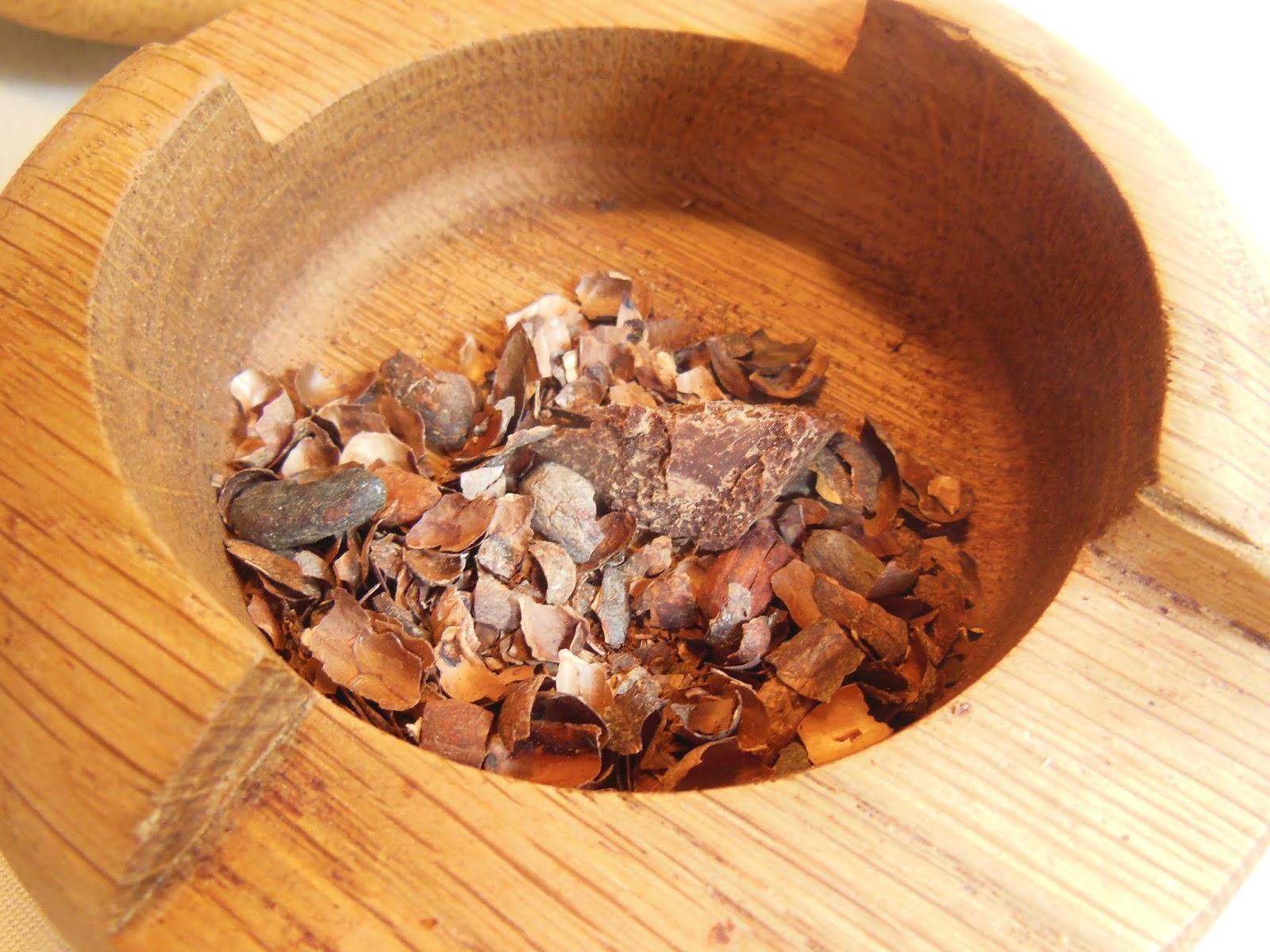
Chocolate
Chocolate of various content of cacao - 99%, 85%, 73%, 72%, 71%,
70%, and 66%. They were all dark chocolate and some a bit bitter sweet.
Mugaritz has a beautifully landscaped garden with sculptures. It has a garden
to grow some of the herbs served to the customers. It is also ultra-creative, always
aesthetically oriented with cool and beautiful presentation and most of all involved
novelty. Its level and extent of creativity was similar to Noma’s. It had more focus, beyond the molecular gastronomy, on the different way of preparing food, on different
usage of the ingredients, on presentation and on being innovative. In other words, their innovation was done more from a creative point of view instead of from the taste and flavor side of gastronomy.
on presentation and on being innovative than on the taste
and flavor side of gastronomy.
Even though Berasategui’s menu price is €260/14 courses and
Mugaritz’s is €204/26 courses, at Mugaritz portion was smaller for each course,
approximately 1/3 – 1/4 of what served at Berasategui. Comparing with meal at
Martin Berasategui, Mugaritz’s is completely in different style and has
different theme.